
Businesses are increasingly looking for technological solutions that are flexible, reliable, and represent a long-term investment. One important but often underestimated area is payment terminals – the devices at the heart of everyday business operations. Over the years, many have grown accustomed to POS terminals that simply “get the job done.” But is that enough? What happens when a company’s needs grow, evolve, or require quick adaptation?
This is where Android-based payment terminals have a clear advantage. These devices completely redefine the traditional understanding of a terminal’s role in business – being much more than just a payment tool. They are part of a broader business ecosystem, integrating seamlessly with existing systems and unlocking new possibilities for both management and customer experience.
A payment terminal as a business tool, not just a payment device
For many businesses, a payment terminal is something taken for granted – a work tool that simply needs to function. However, today’s smart terminal can be much more than that. It can help optimize workflows, simplify management, create new revenue streams, and deliver a better service experience for customers. In other words, it can actively support business growth.

The advantage of the Android platform lies in its flexibility and openness. The device is no longer a closed system with a single, fixed function but a smart tool that can run exactly the applications your business needs. Whether it’s a payment app, POS system, inventory tracking, loyalty program, or digital signage – everything can operate from one and the same device. This reduces the need for separate equipment and saves both money and space.
Entrepreneurs with more than one point of sale particularly appreciate that Android payment terminals can be managed and updated centrally. A new product price, campaign visual, or software update – all of it can be delivered to the devices over the network, without the need for on-site intervention. This means greater speed, flexibility, and lower operational costs.
Security that meets even the most demanding standards
Payment security is undoubtedly one of the most critical areas where no compromises can be made. In the case of Android terminals, security is ensured on multiple levels. Smart terminals run a specially customized and locked version of Android, where payment applications operate in an isolated environment. In addition, all data communication is encrypted, and the devices comply with international security standards.
From a business perspective, this provides assurance that data is protected and that terminal management and monitoring comply with all modern security standards. When a software update is needed, it can be performed remotely and securely — without any service interruption.
The Android platform creates new business opportunities
In addition to reliability and security, the Android ecosystem offers real business value for companies. Because it is an open and flexible platform, it allows integration of exactly the tools and applications that support a specific business model – whether that’s loyalty programs, discount code management, e-receipts, inventory tracking, or sales data analytics.
The payment terminal becomes part of the company’s customer interaction. On the same device the customer uses to pay, it’s possible to display personalized offers, collect feedback, or run marketing campaigns. The Android platform’s multi-application capability makes all of this possible without additional hardware – reducing costs, increasing efficiency, and enhancing the customer experience. The platform supports continuous development, helping businesses keep pace with changes in both technology and consumer behavior.
Ready for change and the future
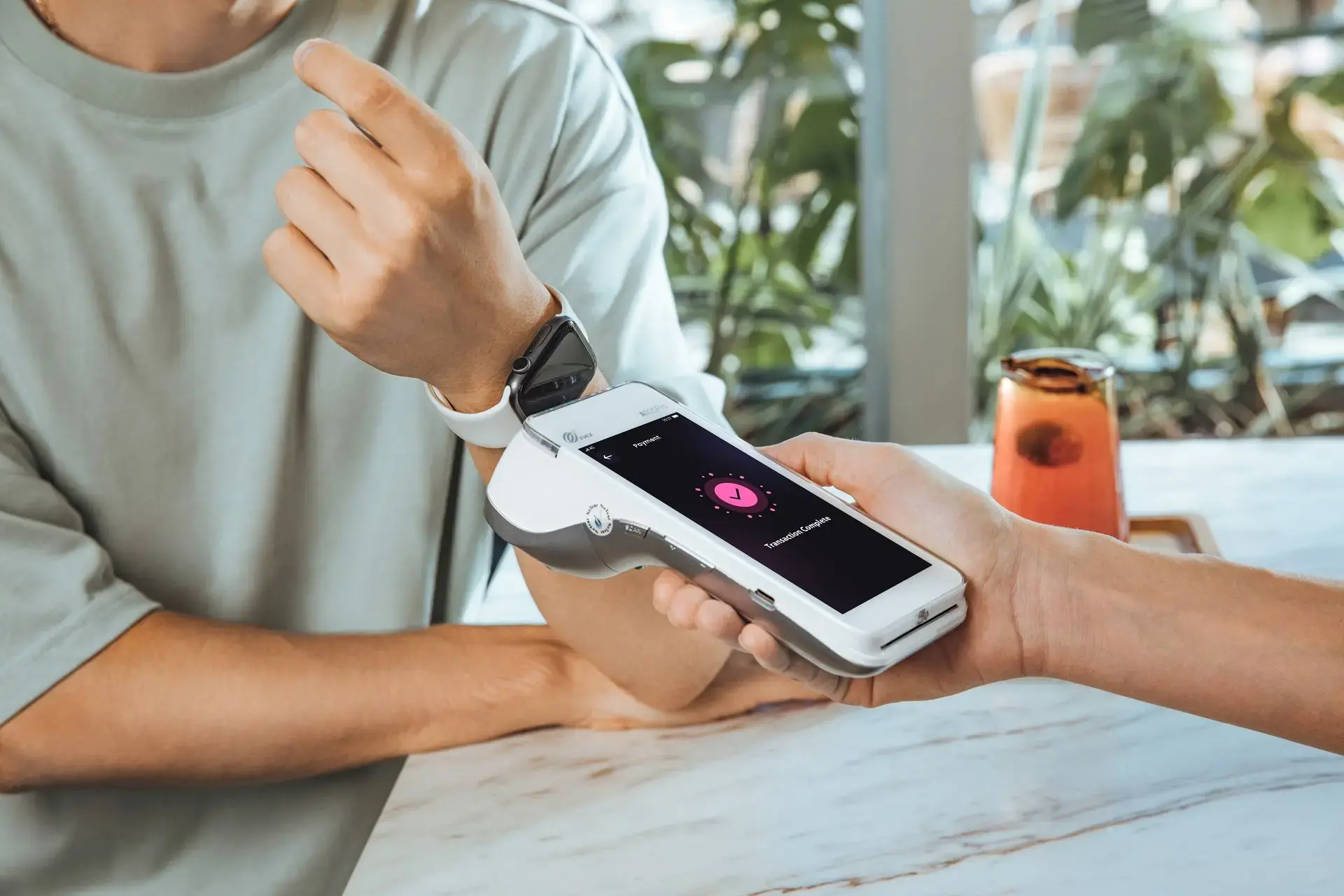
Payment technology is evolving rapidly. New payment methods such as QR codes, contactless payments, digital wallets, and app-based solutions are becoming increasingly common. Companies that wish to remain competitive must be able to adopt these technologies quickly and seamlessly.
Android-based payment terminals make this possible without extensive changes to existing infrastructure. In many cases, there’s no need to replace the hardware at all – a simple software adjustment or the addition of a new application is enough. This gives businesses the flexibility they need and enables them to respond quickly to evolving expectations from both the technology and customer sides.
An Android payment terminal is not just a next-generation device – it is a strategic platform that grows with the business, supporting new directions and enabling seamless scalability. It’s not merely a work tool but an integral part of the company’s growth strategy.
Payment terminal – a cost or an investment?
If the only purpose of a payment terminal is to accept payments, it remains more of an expense than an investment for the business. However, when the same device helps streamline workflows, reduce administrative burden, improve customer experience, and enable new services, it clearly becomes an investment in business growth.
Android payment terminals are designed to support exactly this approach: smart, secure, and flexible tools that turn everyday payment transactions into a valuable part of business operations.
Looking for a solution that fits your business needs today and tomorrow?
Nixor helps you choose and implement an Android-based payment terminal that supports your current business goals and is ready for the needs of the future.