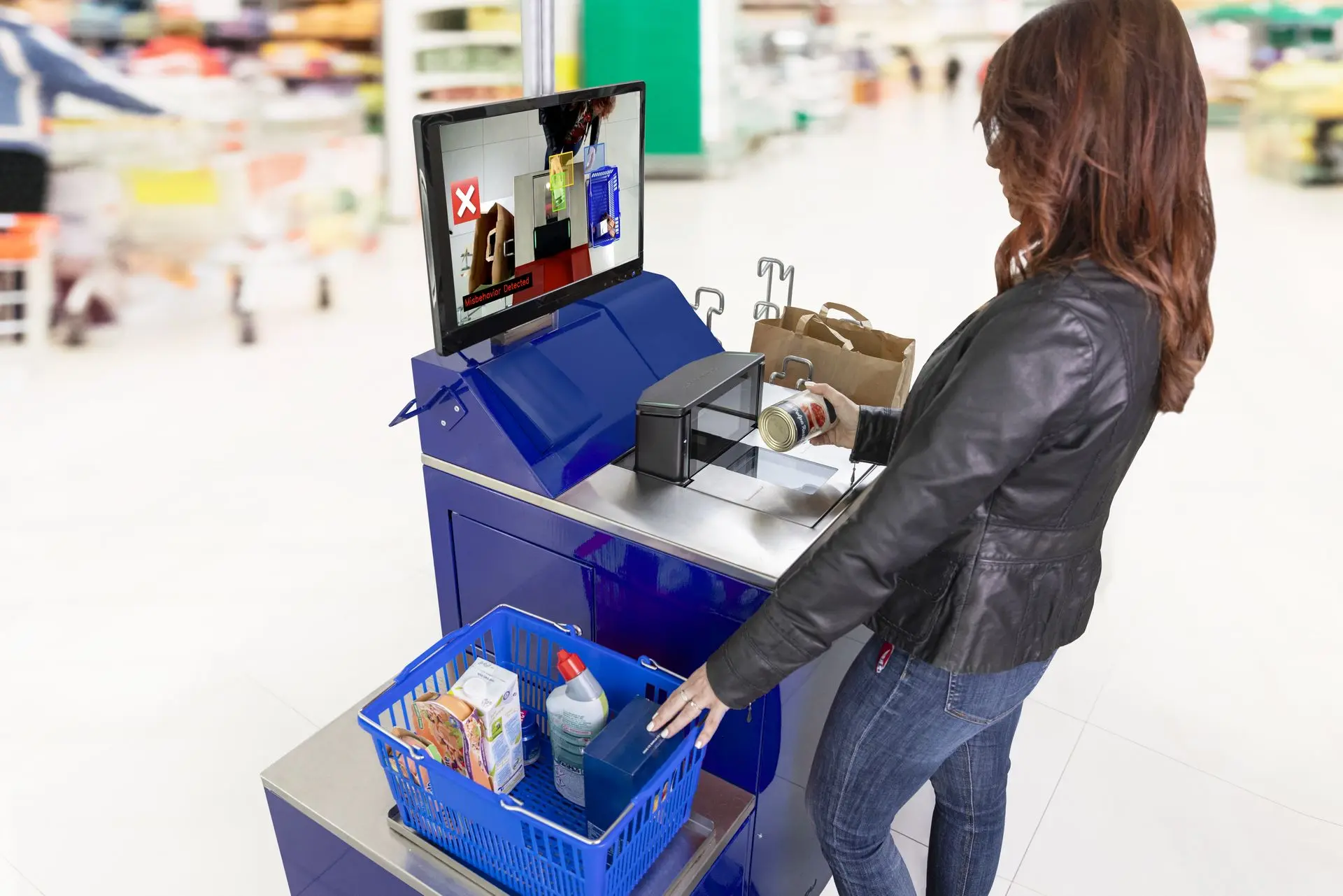
Loss prevention in retail depends on how accurately and consistently different systems and operational processes work together. When pricing information, self-shopping, checkout processes, and sales data operate using the same information and follow a unified logic, the entire shopping journey becomes more manageable and the results more reliable.
Within this broader environment, the checkout process is one of the most critical stages, where the shopping basket becomes a finalized transaction. Even small inconsistencies at this stage can directly impact store revenue, inventory accuracy, and the quality of sales data. If a product remains unscanned, is registered incorrectly, or moves through the checkout process inaccurately, the impact extends throughout the entire system.
In recent years, artificial intelligence and computer vision technologies have become an increasingly important part of the checkout process, helping retailers improve visibility and control without making the shopping experience more complicated. Modern systems can analyze checkout activity in real time, detect potential anomalies, and help keep the entire process smooth, accurate, and easier to manage.
When checkout monitoring, basket validation, and transaction data operate within the same connected logic, the need for random checks and manual intervention is significantly reduced. As a result, the entire checkout process becomes more efficient, accurate, and manageable for both retailers and customers.
The Checkout Process as an Important Part of a Loss Prevention Strategy
The checkout process is not just the final step of a transaction, but an important part of a broader loss prevention strategy. It is at the checkout where all previous activities — pricing, weighing, self-shopping, and product registration — come together. If a product remains unscanned, is registered incorrectly, or moves through the checkout process inaccurately, it directly impacts inventory accuracy, sales data, and overall business performance.
These situations are usually not related to intentional misconduct. In many cases, they are caused by the fast pace of shopping, momentary inattention, or the natural complexity of the checkout process, where multiple activities take place simultaneously. This applies to both self-checkout and attended checkout environments. In self-checkout, customers are responsible for registering products themselves, while in attended checkout lanes, cashiers must simultaneously monitor product scanning, items moving along the checkout belt, and the overall flow of the transaction.
As a result, modern retail is no longer focused only on identifying issues after they occur, but increasingly on improving visibility and control throughout the checkout process itself. When the checkout process operates within the same data logic as the rest of the shopping journey and anomalies can be detected in real time, the entire process becomes smoother, more accurate, and easier to manage.
AI and Computer Vision Bring Greater Visibility to the Checkout Process
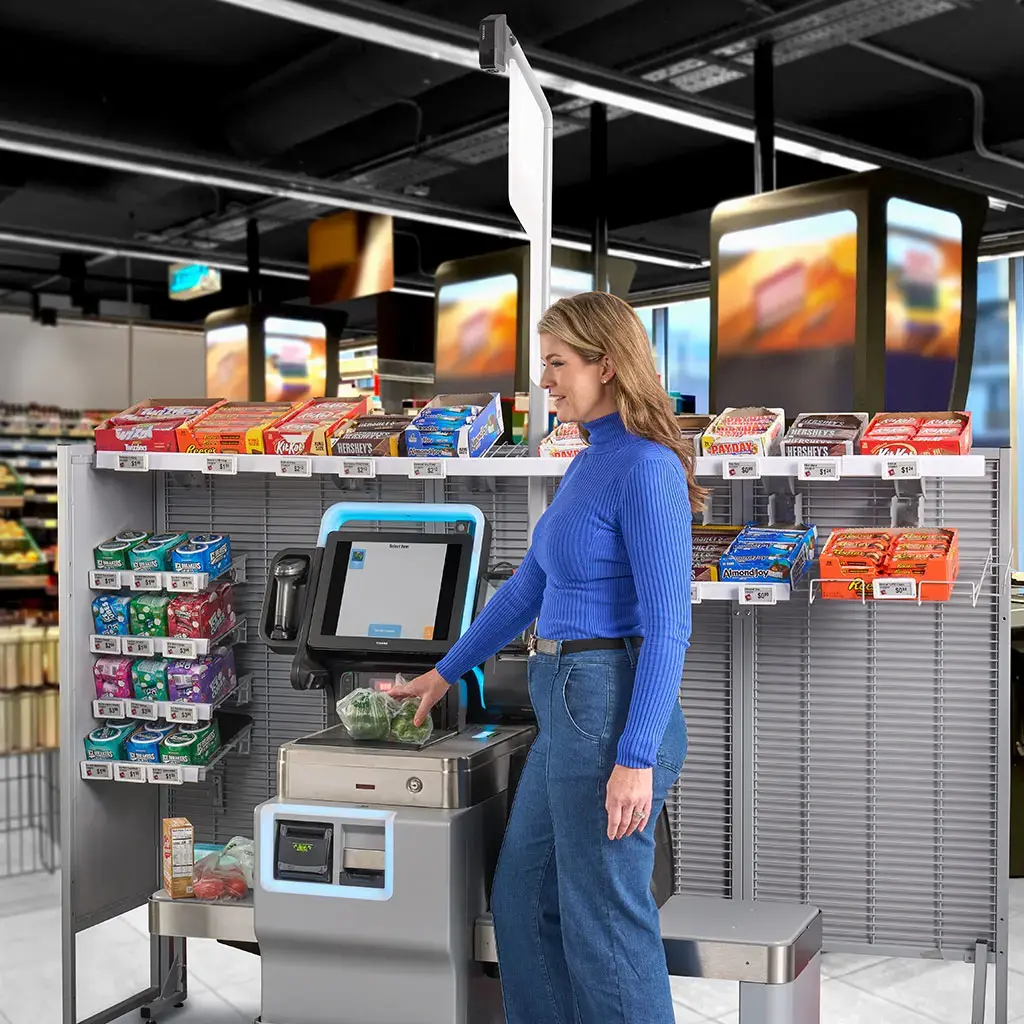
Traditionally, checkout process control has relied on random checks, staff attentiveness, or resolving issues after they have already occurred. This approach requires more manual intervention and does not always allow retailers to respond to issues at the right moment.
Modern AI and computer vision solutions, however, make it possible to monitor the checkout process in real time and identify situations that may indicate anomalies. These systems can detect unscanned items, incorrect product identification, products left at the bottom of a shopping cart, or other unusual activities during the checkout process.
Importantly, the goal is not to make the shopping experience stricter or more complicated. On the contrary, modern systems help make the checkout process smoother and more accurate by keeping most of the control mechanisms in the background and directing staff attention only to situations that require additional review.
This approach helps reduce the need for random checks, improves process visibility, and supports a more accurate and efficiently managed checkout environment.
Toshiba ELERA® Loss Prevention and Intelligent Checkout Process Monitoring
The Toshiba ELERA® Loss Prevention solution uses artificial intelligence, computer vision, and TCx® EDGEcam+ technology to monitor the checkout process in real time. The system analyzes checkout activity directly within the camera itself, enabling rapid response without the need for separate servers or processing delays.
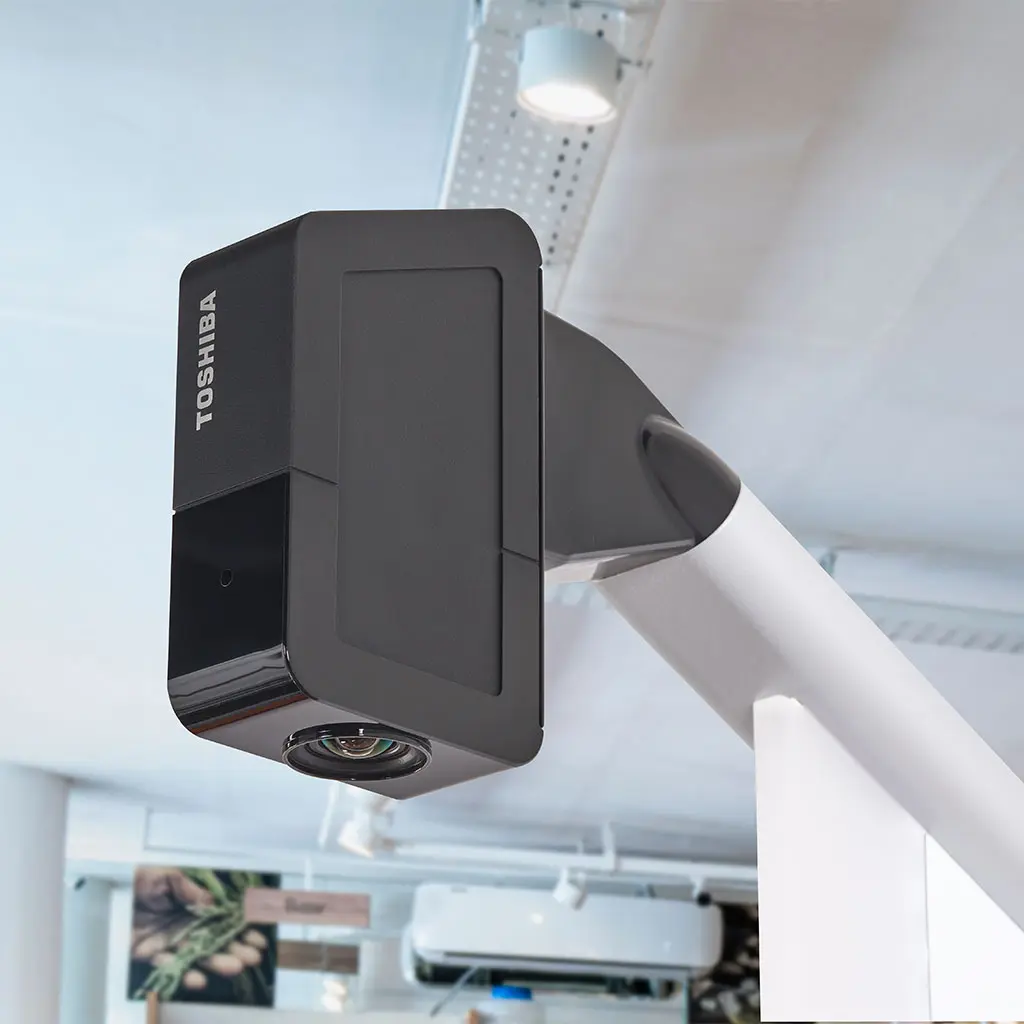
This edge computing approach helps bring greater visibility and control to the checkout process while maintaining a fast and seamless shopping experience. The system can detect potential anomalies, such as unscanned items or situations where a product does not match the registered item, and provide alerts for immediate response when necessary.
Modern AI-powered systems operate largely in the background and intervene only when a situation requiring attention is detected. This helps reduce the need for constant manual monitoring and allows store associates to focus more on customer service and sales floor operations.
In addition, real-time checkout analytics help improve visibility across the entire checkout process. When different checkout activities and potential anomalies can be systematically monitored, the overall process becomes easier to control and issues can be addressed faster and more accurately.
Better Control and a Smoother Shopping Experience
Modern loss prevention is not just about stricter control, but about balancing accuracy with a smooth shopping experience. AI-powered checkout solutions help reduce the need for random checks and manual intervention by enabling staff to respond only when the system detects a potential anomaly.
The result is a faster checkout process, reduced workload for store associates, and a shopping experience that remains natural and seamless for customers. At the same time, improved visibility into the checkout process helps strengthen overall store reliability. When anomalies can be identified in real time and processes operate within a unified logic, the need for later corrections and additional checks is significantly reduced.
This approach helps make loss prevention a natural part of everyday store operations, where accuracy and control do not slow down the process, but instead support a smoother and more efficient checkout experience.
AI-Powered Product Recognition Helps Reduce Errors in the Checkout Process
One of the most challenging parts of the checkout process is registering fresh produce and other non-barcoded items. In these situations, inaccurate product recognition or manual selections can affect pricing accuracy, inventory quality, and the overall reliability of the transaction.
Toshiba ELERA® Produce Recognition uses AI and computer vision to automatically identify products and reduce the need for manual input. The system analyzes the visual characteristics of products and helps select the correct item faster and more accurately.
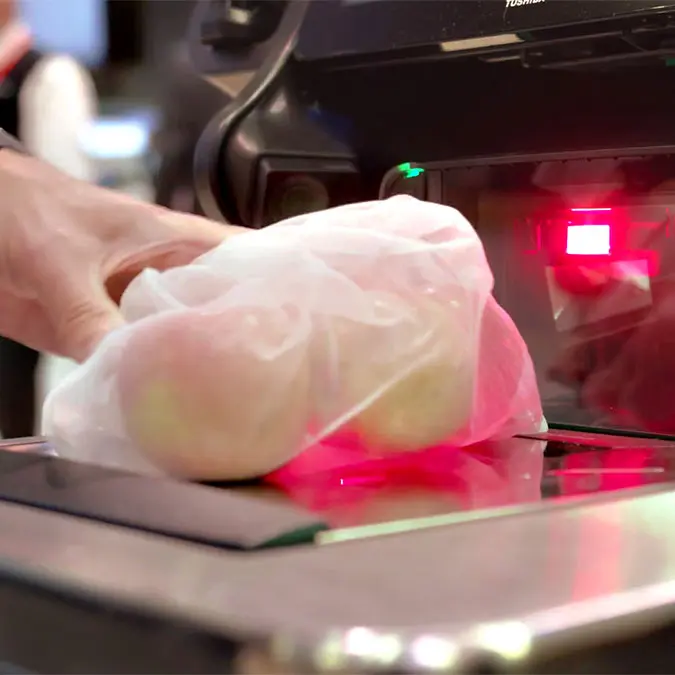
Automatic product recognition helps make the checkout process faster and smoother while reducing the risk of errors. In addition, it improves data accuracy and helps minimize situations where incorrect product identification or inaccurate weighing can affect the final transaction result and the overall reliability of the process.
This approach helps make self-checkout more convenient for both customers and store associates while maintaining better control over the checkout process.
More Accurate Data and Better Operational Control
When the checkout process operates within the same data logic as the rest of the store systems, the entire operation becomes easier to manage and control. More accurate checkout transactions improve inventory quality, make sales data more reliable, and help reduce the need for manual corrections.
Real-time visibility helps retailers identify trends and anomalies faster, enabling more informed decisions both in day-to-day operations and at a strategic level. At the same time, dependence on random checks is reduced, while the checkout process becomes more accurate and easier to control.
When data flows consistently between systems and the checkout process is connected to the rest of the shopping journey, overall store reliability and operational visibility also improve.
A Holistic Approach to Modern Loss Prevention
Loss prevention is not built on individual solutions, but on the combined operation of different processes and technologies. Checkout monitoring, self-shopping, pricing information, weighing solutions, and analytics must work together and support one another throughout the entire shopping journey.
At the same time, this does not mean that all solutions need to be implemented at once or according to one fixed model. Every retailer has different operational processes, goals, and priorities, which is why an effective loss prevention strategy must always be tailored to the specific needs of the business.
Nixor works closely with retailers to help identify solutions that fit their existing systems, operational processes, and long-term development plans. With extensive experience in retail technologies, checkout solutions, and system integrations, the Nixor team helps businesses identify potential bottlenecks, map operational needs, and design solutions that support both daily operations and long-term business growth.
Flexibility and scalability are equally important in this process. This approach helps create a cohesive and future-ready operating model where technology supports everyday operations while making the entire checkout process more accurate, seamless, and easier to control.