Loss prevention in retail begins with how well everyday processes are connected—from pricing and basket building to the final checkout transaction. When these stages operate under a unified logic and rely on the same data, the entire process becomes more manageable and the results more reliable.
In recent years, AI-powered solutions have become part of this ecosystem, bringing accuracy into earlier stages of the process and connecting in-store activities with checkout into a unified whole. This is especially evident in the evolution of self-shopping, where the shopping basket is built directly on the sales floor and its accuracy can be managed throughout the entire customer journey.
When basket building, its validation, and the checkout process are connected, the need for random checks decreases, and the entire shopping process becomes smoother, more accurate, and easier to control.
The Shopping Basket as the Starting Point for Accuracy
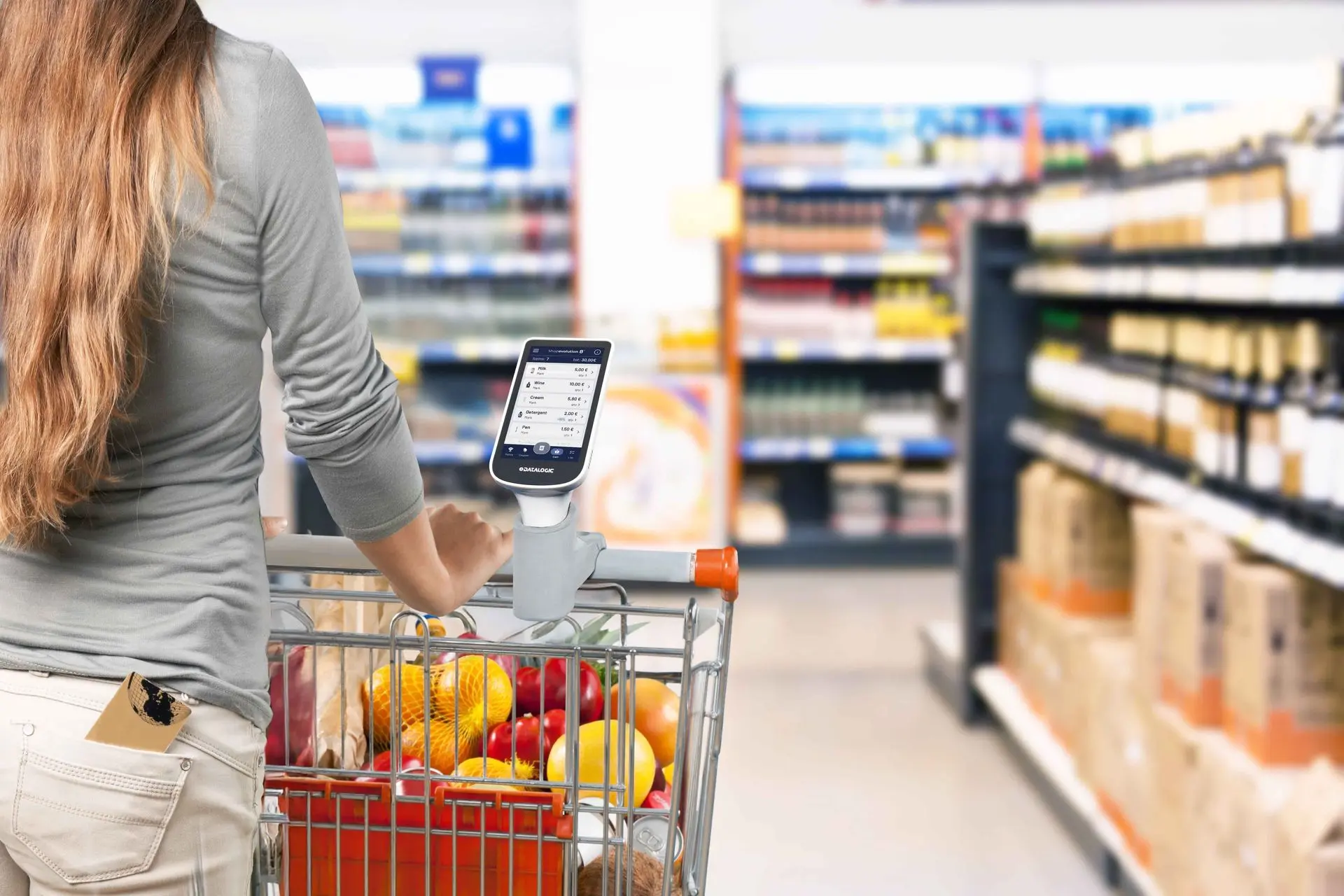
Self-shopping solutions have made the purchasing process faster and more flexible by moving basket building onto the sales floor. This gives customers more control, but also means that basket accuracy must be ensured before reaching the checkout.
In practice, situations can occur where an item is unintentionally left unscanned or where the scanned product does not match the actual item in the basket. These are usually not intentional, but rather the result of the natural pace of shopping—rushing, inattention, or interruptions.
Therefore, the focus is not only on detecting errors, but on how to manage them as early as possible. Traditional random checks on the sales floor or at checkout can identify some discrepancies, but they do not necessarily target the situations where control is most needed. At the same time, this approach requires staff time and may slow down the shopping process.
As a result, retail is increasingly moving toward a model where control is no longer random, but data-driven—allowing focus on the situations where accuracy requires additional attention.
Artificial Intelligence Supports Basket Accuracy on the Sales Floor
Next-generation self-shopping solutions, such as Datalogic Joya Smart and Joya Smart Plus, take basket accuracy management to the next level. The AI used in these devices is based on camera-driven computer vision, analyzing the items in the basket in real time.
The Shop Guard system:
- compares scanned items with the actual physical products
- identifies potential discrepancies
- directs staff attention only to those baskets that require verification

Importantly, the system operates in the background and does not make the shopping process more complex. Customers can continue shopping as usual, while the system helps ensure basket accuracy.
This approach makes the control process more precise and efficient. Staff no longer need to check every purchase, but can focus on cases where the system detects a potential discrepancy.
Accuracy Continues at Checkout
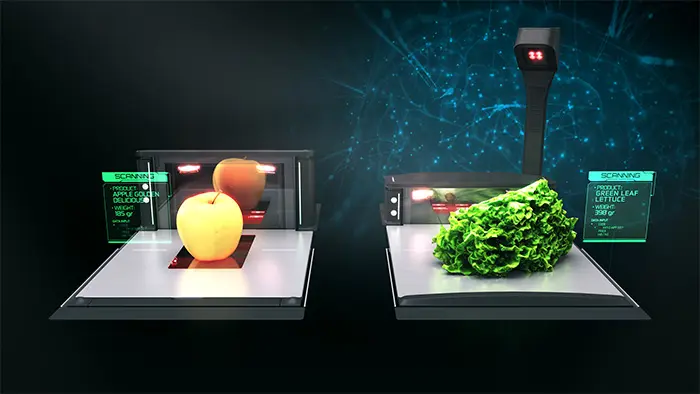
If the basket is already accurate on the sales floor, its impact carries through to the next stage of the shopping process—the checkout. Here too, AI-powered solutions such as Datalogic Magellan 9900i and Magellan 9600i support the process by adding an additional layer of control directly at the checkout.
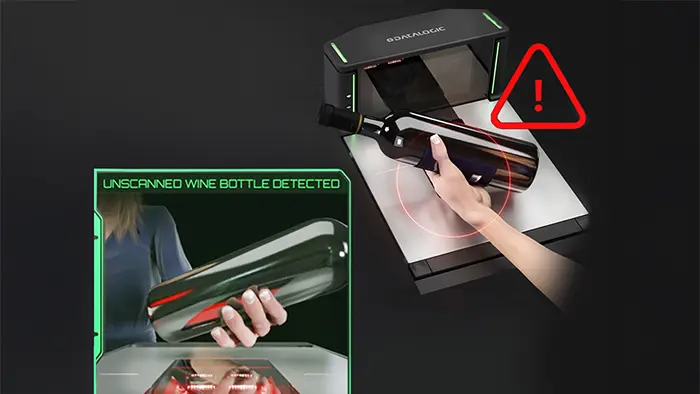
Systems powered by Smart Vision Suite enable:
- detect unscanned items
- detect incorrect product selections or label switching
- detect items scanned together or stacked on top of each other
All of this happens in real time without slowing down the checkout process. The result is a seamless shopping experience where accuracy is ensured throughout the entire journey.
More Accurate Data and Smoother Operations
When the solutions used on the sales floor and at checkout are based on the same data logic, the entire system becomes easier to manage.
An accurate basket means:
- accurate checkout transactions
- reliable inventory levels
- more accurate sales data
At the same time, the need for manual corrections is reduced, freeing up staff time for higher-value activities—such as customer service and managing the sales floor.
In addition, self-shopping helps balance the store’s workload. When part of the purchasing process takes place on the sales floor, pressure at the checkout is reduced and the entire shopping journey becomes smoother.
Loss Prevention as a Strategically Managed Whole
Effective loss prevention in retail is not built on individual solutions, but on the combined impact of interconnected systems and processes. When information and actions follow the same logic and support one another, the entire store operation becomes more cohesive and easier to manage.
AI-powered self-shopping helps maintain this alignment by bringing basket accuracy control into everyday sales floor activities. At the same time, the same logic continues at checkout, where AI helps ensure that every item is correctly accounted for.
It is important to understand that self-shopping is just one part of a broader whole. When it is connected with pricing information, weighing solutions, and the checkout process, it creates an environment where discrepancies are better controlled and the entire system operates under a unified logic.
This approach creates an environment where loss prevention is not a separate activity, but an integral part of how the store operates on a daily basis. When processes are clear and information flows consistently, the entire system becomes more transparent and easier to control.
Nixor helps retail businesses build this holistic approach by integrating self-shopping solutions, checkout technologies, and other systems into a unified, functioning environment. The result is an operating model where technology supports daily activities and provides a foundation for more accurate, seamless, and controlled store operations.