
In retail, loss prevention depends on how accurately and consistently different systems and workflows operate together. Pricing, inventory, weighing, and checkout transactions must use the same information and move in sync so that the entire operation remains transparent and controllable.
Weighing is one of the key processes in this whole system, linking choices made on the sales floor with the rest of the systems. It is at the scale where it is determined which product—and at what price—moves on to checkout, and how this is reflected in inventory and sales data. When this information is accurate and consistent, the entire process becomes easier to manage and the results more reliable.
Modern smart weighing solutions help ensure this consistency by combining precise weighing technology, clear product identification, and centralized data management. This allows information to flow from the scales to other systems in a consistent and up-to-date way, making accuracy a natural part of everyday workflows. Such an approach helps keep processes aligned and reduces losses at every stage where weighing influences the final outcome of a transaction.
Weighing fresh goods as the starting point of accuracy
Weighing fresh goods is one of the most important stages of the purchasing process in the sales area, where both the product price and its representation in systems are determined. With a wide assortment and similar-looking items, it is not uncommon for the wrong product to be selected on the scale or for an incorrect product code to be used. This is often caused by visual similarity between products, a fast shopping pace, or a user interface that does not support sufficiently clear selection.
Such inaccuracies are not limited to a single transaction. If the selection made on the scale is incorrect, it carries over into pricing and inventory records. As a result, data accuracy decreases and the need for manual corrections and additional checks increases. This is why weighing is a point where improving accuracy has a fast and measurable impact on the entire process.
Clear product identification reduces the risk of errors
In weighing solutions, it is not only measurement accuracy that matters, but also how simple and unambiguous product identification is. If finding the correct product is time-consuming or unclear, the likelihood of errors increases—even for experienced users.
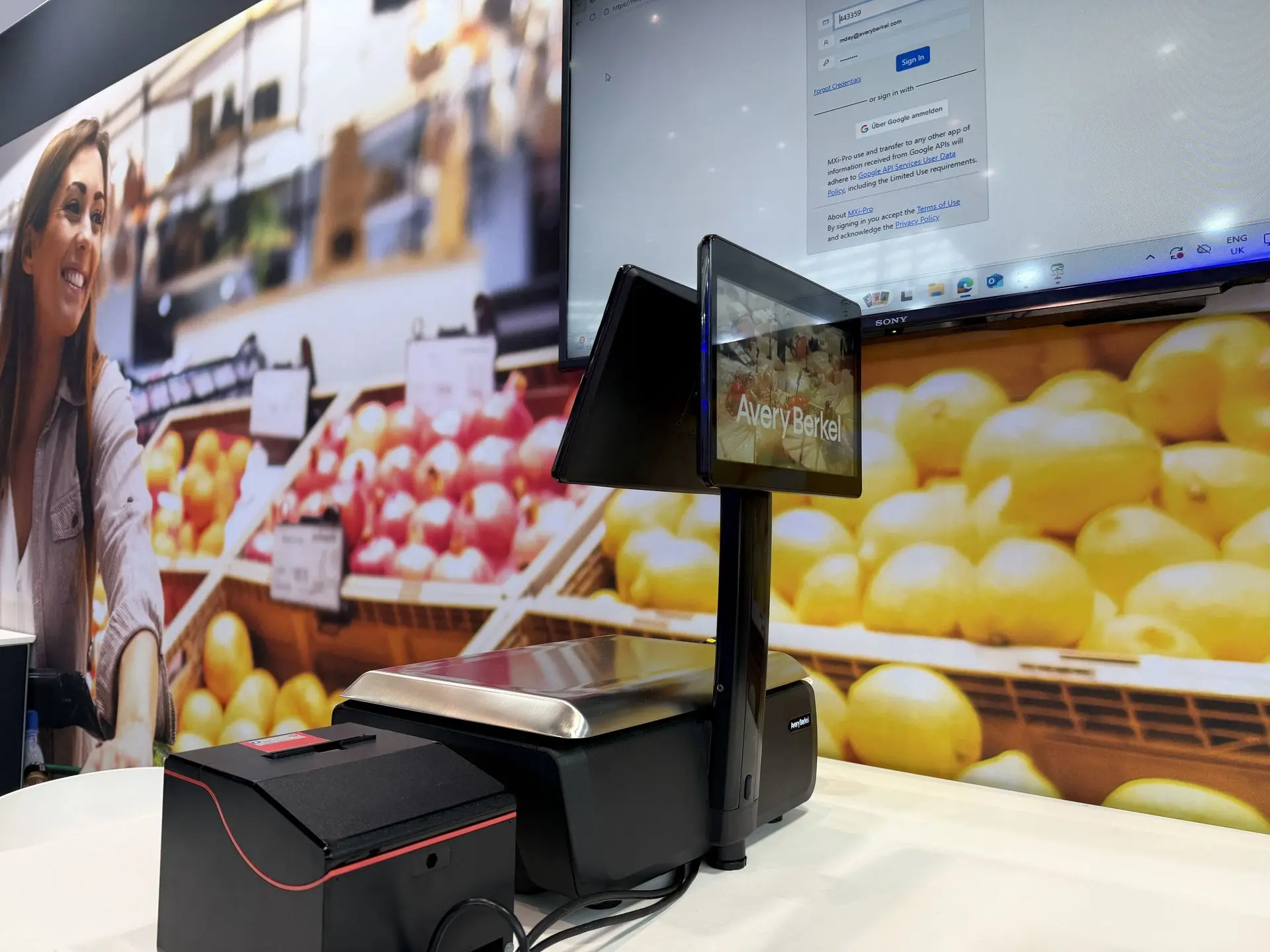
Modern solutions, such as the Avery Berkel X Pro series, combine precise weighing technology with a user-friendly interface that supports fast and logical product selection. Clear visual presentation and an optimized user journey help reduce the likelihood of incorrect choices right from the start of the process. As a result, weighing becomes more intuitive and the entire purchasing process smoother for both customers and staff.
AI-powered product recognition supports accuracy and speed
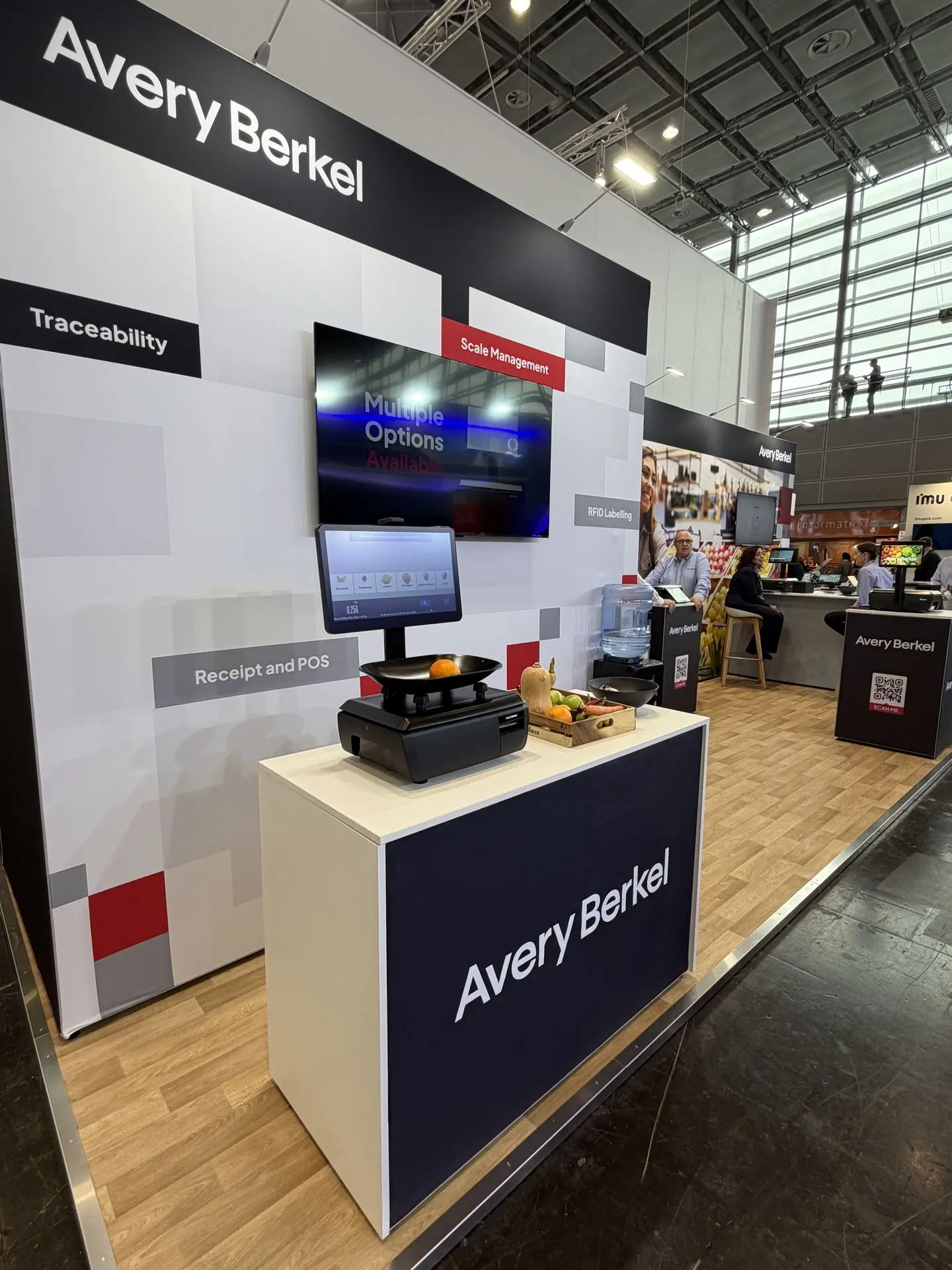
Camera-based product recognition takes weighing to the next level by reducing reliance on manual selections. An Artificial Intelligence-based system analyzes the visual characteristics of the product placed on the scale and automatically suggests the appropriate option.
This is especially important in environments where products are visually similar or where the purchasing process needs to be fast. Automatic recognition reduces the likelihood of errors and speeds up the weighing process without adding extra complexity.
In practical use, this means more accurate transactions, fewer errors, and more consistent data quality across the entire system.
A unified data foundation enables more accurate and seamless operations
In addition to the user experience, it is also important how scales are integrated with the rest of the systems. Cloud-based management makes it possible to keep product data, price lists, and label information consistent across the entire store. This means that scales, POS systems, and pricing solutions all use the same data. Such an approach reduces the risk of inconsistencies and ensures that the entire purchasing process operates on a unified logic.
When weighing is handled accurately and systematically, its impact extends across the entire store operation. More precise data improves pricing quality, makes inventory more reliable, and supports more accurate analytics.
At the same time, the operational workload is reduced. Staff no longer need to deal with correcting errors and can instead focus on managing the sales floor and serving customers. This approach creates an environment where accuracy is not a separate goal, but a natural part of everyday workflows.
Loss prevention as a consciously managed whole
Successful loss prevention in retail is not based on individual solutions, but on the combined effect of different systems and workflows. When information and activities follow the same logic and support each other, the entire store operation becomes more consistent and easier to manage.
Smart weighing solutions help maintain this consistency by bringing accurate information directly into everyday sales floor operations. As a result, accuracy becomes a natural part of the workflow, and the entire process remains consistent.
Such an approach creates an environment where loss reduction is not a separate activity, but part of how the store operates on a daily basis. When processes are clear and information flows consistently, the entire system becomes more transparent and easier to control.
Nixor helps retail businesses build this integrated whole by connecting weighing solutions, various technologies, and workflows into a single, cohesive environment. The result is an operating model where technology supports everyday activities and provides a foundation for more accurate, efficient, and controlled store operations.