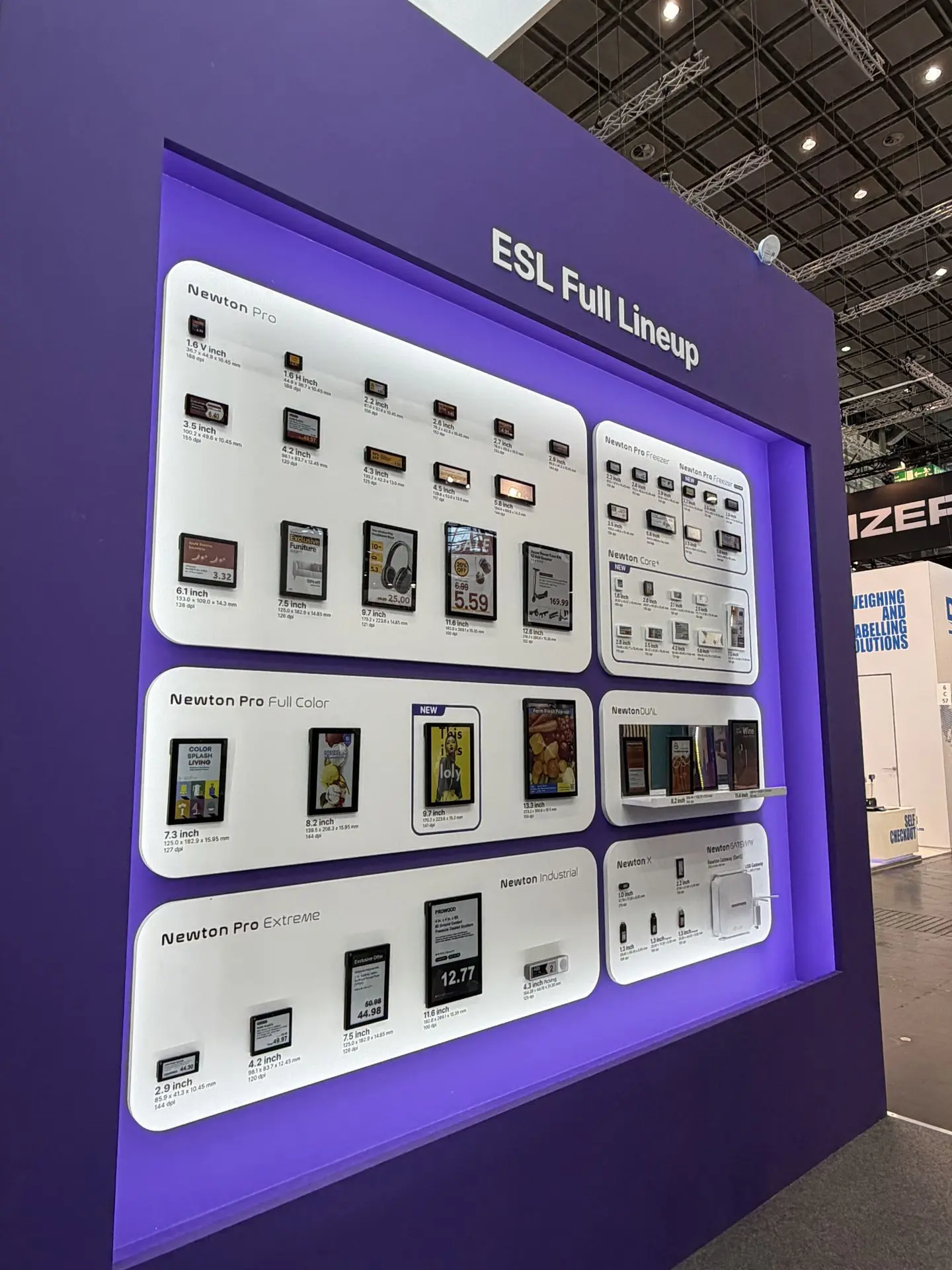
In retail, loss prevention depends on how accurately and consistently different systems and processes work together. Pricing, promotions, inventory, and checkout transactions must rely on the same data and operate in sync to ensure transparency and control across the entire operation.
Pricing information plays a central role in this ecosystem, connecting decisions made in backend systems with transactions carried out on the sales floor. When this information is up to date and consistent, the entire process becomes easier to manage and the results more reliable.
SOLUM digital shelf labels help achieve this alignment by ensuring that pricing changes and product information updates made in central systems are reflected on the sales floor in real time. This ensures that the information displayed on the shelf is always consistent with central data, making up-to-date pricing a natural part of daily operations. Such an approach helps keep processes aligned and directly supports loss prevention at every stage where pricing impacts the final transaction.
Pricing as a Connecting Layer Across the Entire Process
Pricing is not a standalone element in retail, but part of a process chain that begins with pricing and promotion planning and ends with checkout transactions and the recording of sales data. Each stage in this chain relies on the same data, and its accuracy directly affects the reliability of the entire process.
Digital shelf labels create a direct and automated connection within this process, where updates made in central systems are reflected on the sales floor without delay. This means that the price displayed on the shelf is not a separately managed layer, but part of the same data flow used by POS systems and other business processes.
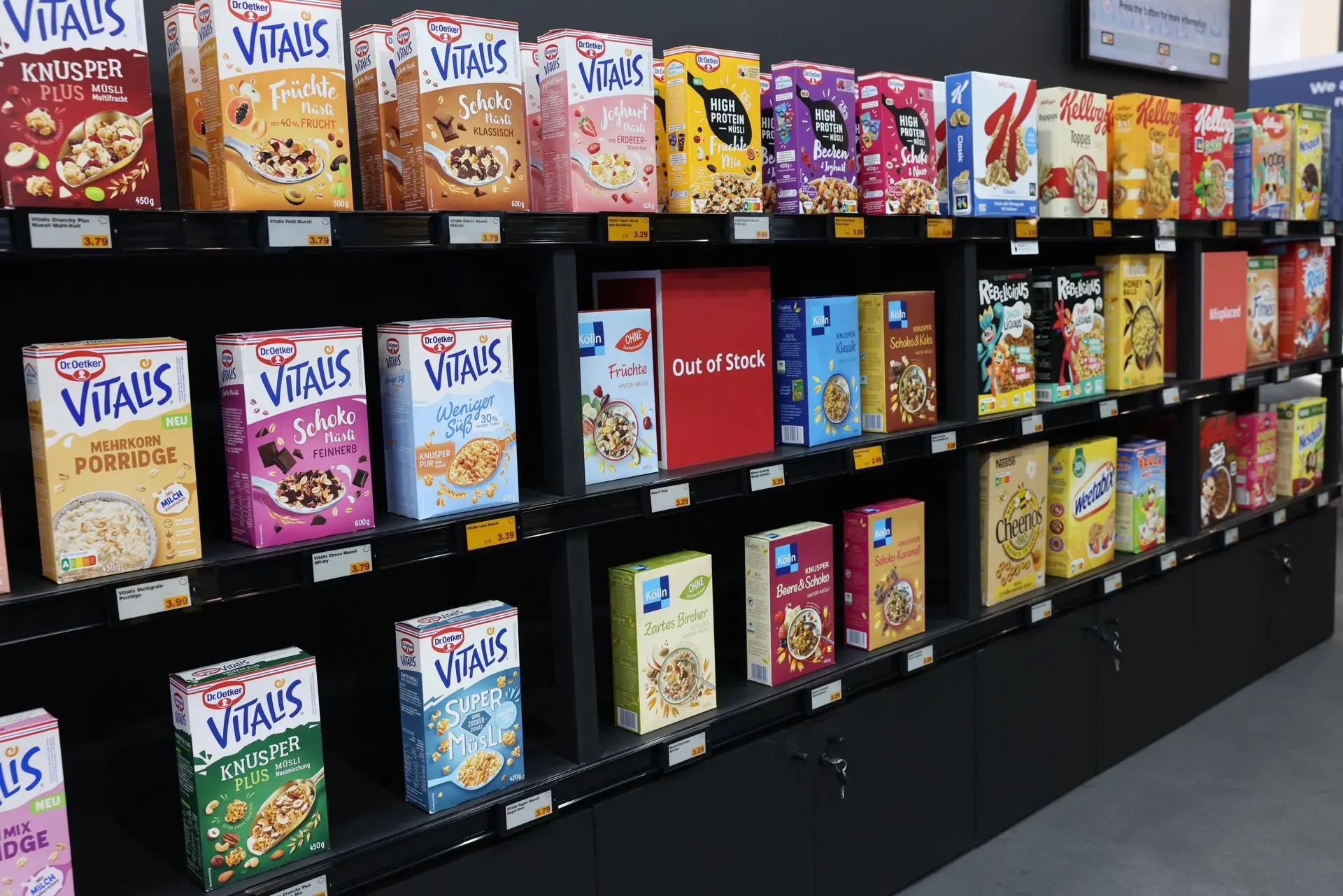
This approach helps maintain consistent pricing information across all touchpoints. When the data used on the shelf, at checkout, and in backend systems is based on the same source, the foundation of each transaction becomes clearer and the entire process easier to manage.
From a loss prevention perspective, this means that pricing information is no longer a potential source of discrepancies, but rather a key factor in maintaining the accuracy of the entire transaction process. When pricing data flows consistently and in real time, the need for manual corrections is reduced and the overall system remains under control.
Centralized Management and Systematic Control
One of the key advantages of SOLUM digital shelf labels is the ability to manage pricing information and related content from a single centralized system. The company’s systems are integrated with the shelf label management solution, allowing prices and product data to flow seamlessly to the sales floor and be automatically displayed on the corresponding labels.
This centralized approach creates a clear and consistent management logic. The store no longer depends on separate manual activities on the sales floor, as pricing display is directly linked to the company’s core systems. This helps maintain consistency of information across different store locations and channels.
Beyond pricing, it is also possible to define what information is displayed on the label and how it is presented. Additional details, promotional messages, and other relevant elements can be shown while maintaining the company’s visual consistency. This provides the flexibility to respond quickly to changes without having to alter workflows on the sales floor.
From a loss prevention perspective, centralized management is important because it reduces reliance on manual activities and keeps the flow of pricing information under control. When changes move through a unified system, their traceability and accuracy are better ensured.
More Than Price – Information That Supports Accuracy
A digital shelf label is no longer just a tool for displaying price, but part of a broader information layer that supports both customer purchase decisions and in-store operations.
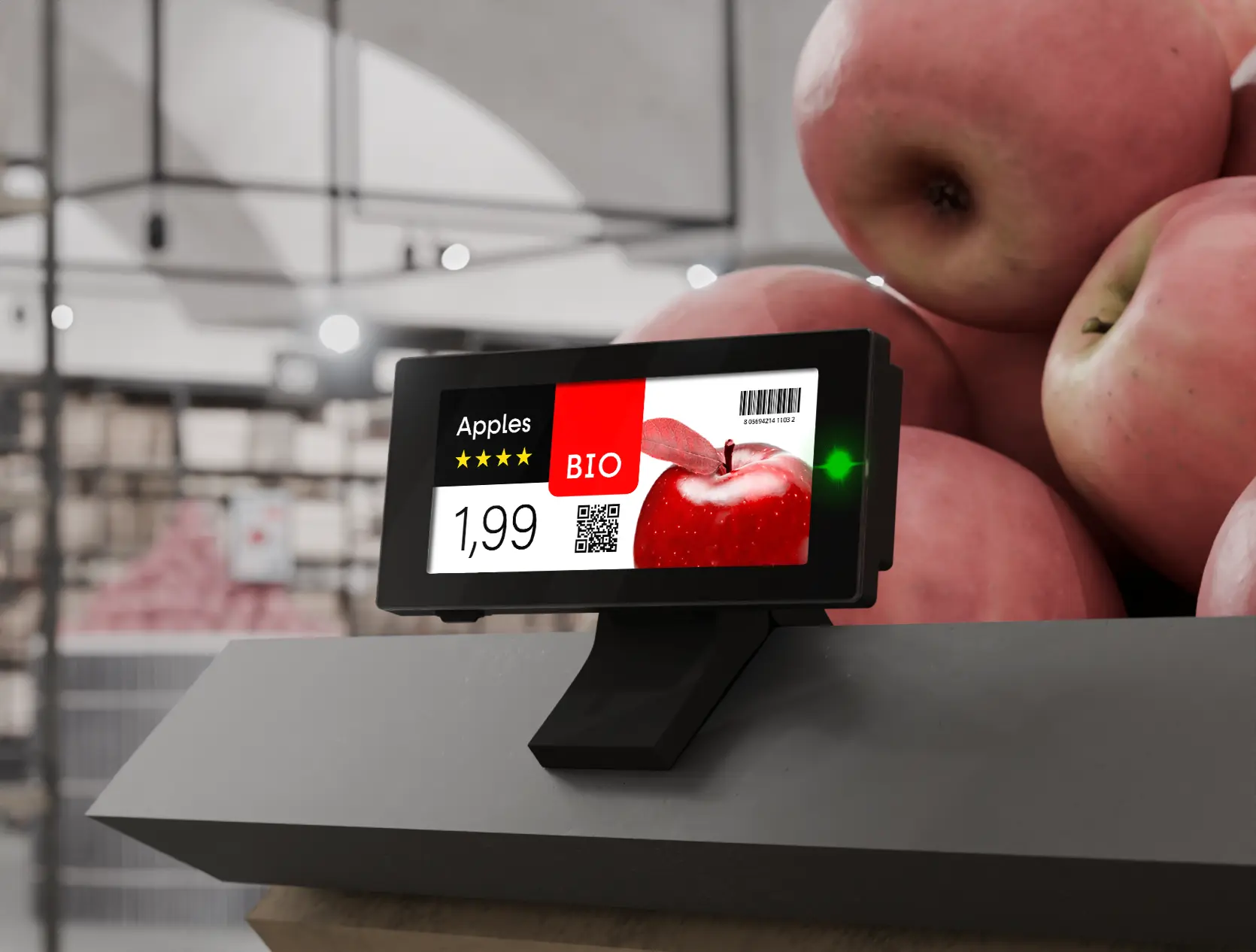
In addition to price, it is possible to display product attributes, unit pricing, promotion conditions, labels, origin, and other relevant information. When all data is presented consistently and driven by the same system, the need for separate checks and manual corrections is reduced. Employees no longer need to search for information across multiple sources, and customers can make informed decisions directly at the shelf.
This type of information structure also supports loss prevention. When pricing and product-related data are clearly presented and based on the same system-driven information, the entire process remains more accurate. It reduces situations where incomplete or inconsistent information affects the transaction outcome or requires corrections at a later stage.
In addition, digital labels enable the connection between the physical store environment and digital content. Through QR codes and NFC, both customers and employees can be directed to more detailed information—whether it’s product specifications, a campaign page, or other relevant content. This helps maintain a unified flow of information and supports a more accurate and transparent purchasing process.
Guiding in-store workflows and increasing operational visibility
The role of digital shelf labels goes beyond displaying information—they also support daily in-store operations. When pricing data is connected to workflows and tasks, the entire store operation becomes more manageable, and activities are more clearly guided.
One of the most practical examples is the use of LED indicators. These make specific products visually stand out on the shelf, helping employees locate items more quickly during replenishment, order picking, and campaign preparation.
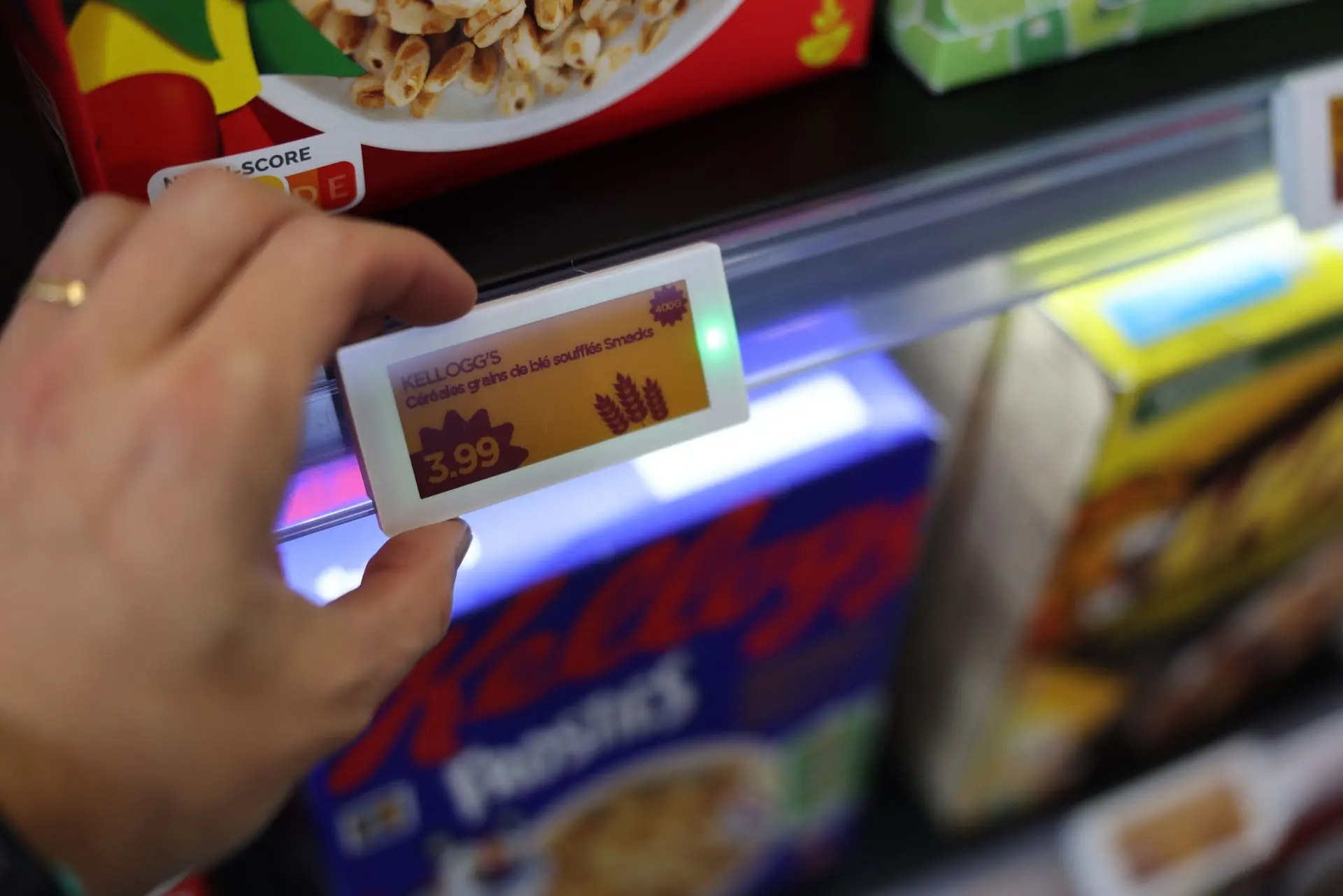
When locating products no longer depends on manual searching, work becomes faster and more consistent, and operations are more precisely controlled.
In addition, the button on the label enables physical actions to be directly connected with systems. Employees can confirm task completion, signal replenishment needs, or draw attention to specific situations directly from the shelf. Since the logic behind this functionality is customizable, each store can align it with its own workflows in a way that best supports daily operations.
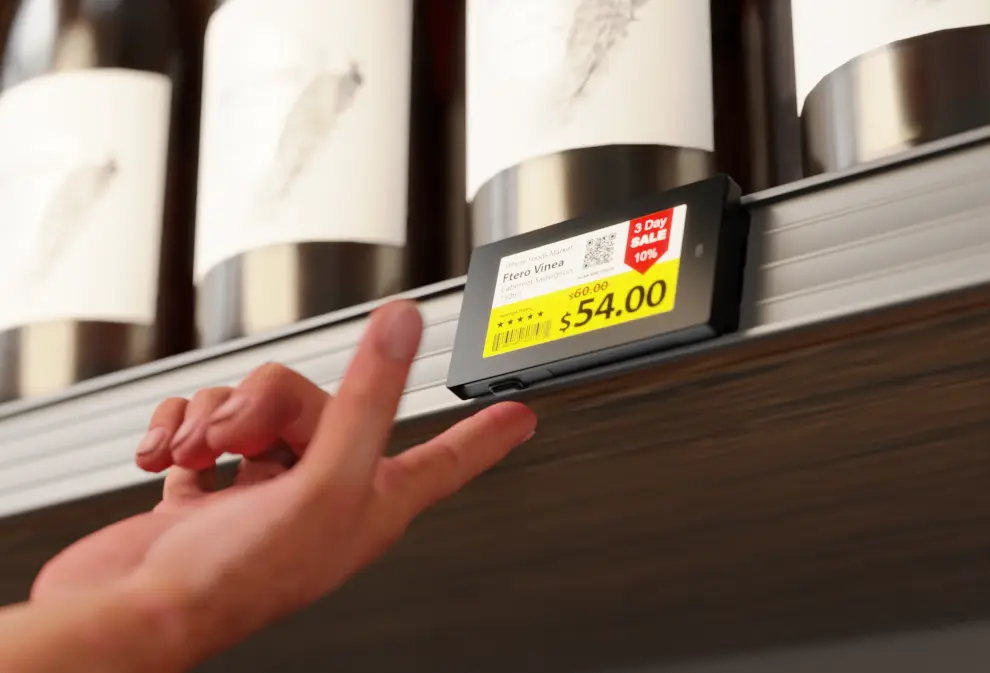
This approach increases visibility into in-store activities. When tasks, product locations, and replenishment needs are clearly defined and connected to systems, randomness is reduced and operations become more manageable.
From a loss prevention perspective, this is important because more precise and better-directed workflows help reduce operational discrepancies. When employees operate based on a unified logic and information moves together with actions, the entire system remains under control and outcomes become more predictable.
Loss prevention as a strategically managed approach
Successful loss prevention in retail does not rely on individual solutions, but on the combined effect of different systems and workflows. When information and actions follow the same logic and support each other, the entire store operation becomes more consistent and easier to manage.
Digital shelf labels help maintain this cohesion by bringing accurate information directly into daily in-store operations. As a result, accuracy becomes a natural part of the workflow, and the entire process remains consistent.
This approach creates an environment where loss prevention is not a separate activity, but an integral part of how the store operates on a daily basis. When processes are clear and information flows consistently, the entire system becomes more transparent and easier to control.
Nixor helps retail companies build this holistic approach by connecting solutions, processes, and systems into one cohesive operating environment. The result is a way of working where technology supports daily operations and creates a foundation for more accurate, seamless, and controlled store performance.