
In retail, the focus is often on increasing sales and enhancing the customer experience. However, it is equally important to protect existing revenue. This is exactly the role of loss prevention — a strategic function and an integral part of risk management that, when consistently applied, helps maintain profitability and avoid losses caused by theft, pricing errors, employee mistakes, or technical issues.
Losses can arise from a variety of causes, including incorrectly displayed price changes on shelves, unintentional errors by employees or customers, as well as deliberate theft. Technical factors also play a crucial role, such as the accuracy of product weighing and the reliability of checkout systems. Modern retail increasingly relies on technology — electronic shelf labels, surveillance cameras, security gates, weighing systems, and more recently artificial intelligence (AI) — to help prevent these risks.
Loss prevention is not just about reducing costs. A well-functioning system also improves the customer experience, reduces employee stress, and creates a more transparent, secure, and profitable operating environment for the business. The effectiveness of a loss prevention strategy depends on how well the key risk sources are identified and understood. Therefore, we will look at the main factors that influence retail losses and are central to managing an effective loss prevention strategy.
Accurate Pricing Helps Reduce Losses and Improve Customer Experience
Pricing information is one of the most important pieces of information a customer encounters in a store. If the price displayed on the shelf does not match the price in the checkout system, it directly affects both the customer experience and store operations. Any discrepancy can cause confusion, create additional work for staff, and lead to situations where transactions must be manually corrected or products are sold at incorrect prices.
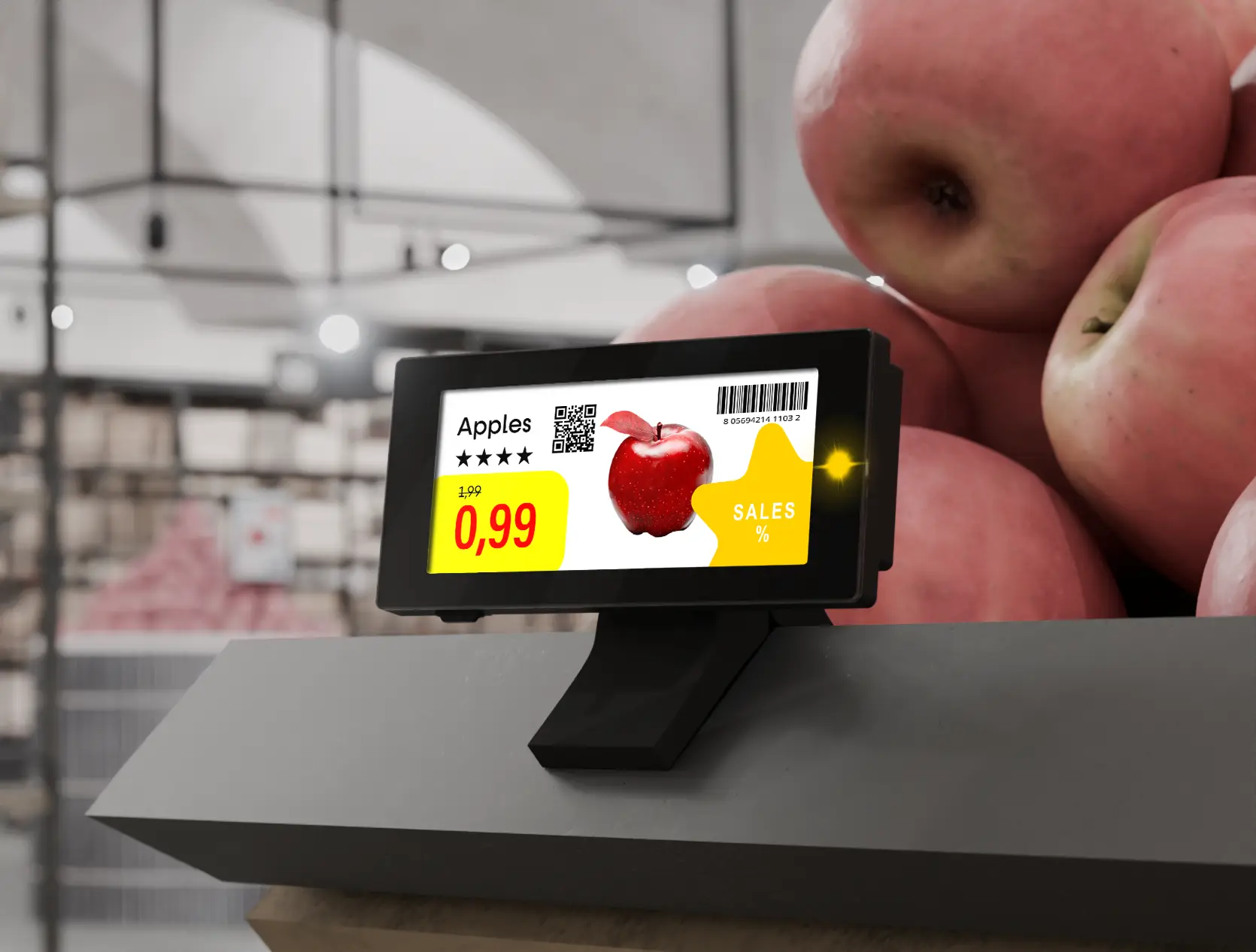
Price changes are a daily reality in retail. Promotions change, prices are adjusted, and products are continuously added to and removed from the assortment. When price updates are handled manually, the risk of errors increases significantly, and the information displayed on the shelf may no longer be aligned with the checkout system.
Such situations impact both store operations and the customer experience. Staff time is spent resolving issues, and customer trust in the store may decline.
SOLUM electronic shelf labels (ESL) help significantly reduce these risks. Pricing information is transmitted directly from the company’s systems to the sales floor, with updates reaching the shelves in real time. This ensures that the information displayed on the shelf is always aligned with the checkout system, greatly reducing pricing-related errors.
At the same time, electronic shelf labels make price management faster and more flexible. Price changes and promotions can be managed through a central system and applied simultaneously across all store locations. This reduces manual work and frees up staff time for customer service.
In addition, electronic shelf labels allow more information to be displayed compared to traditional paper labels, helping keep product information consistent across all sales channels.
The result is more accurate pricing, fewer operational errors, and a smoother shopping experience.
Accurate Weighing and Smart Product Recognition Help Reduce Errors on the Sales Floor
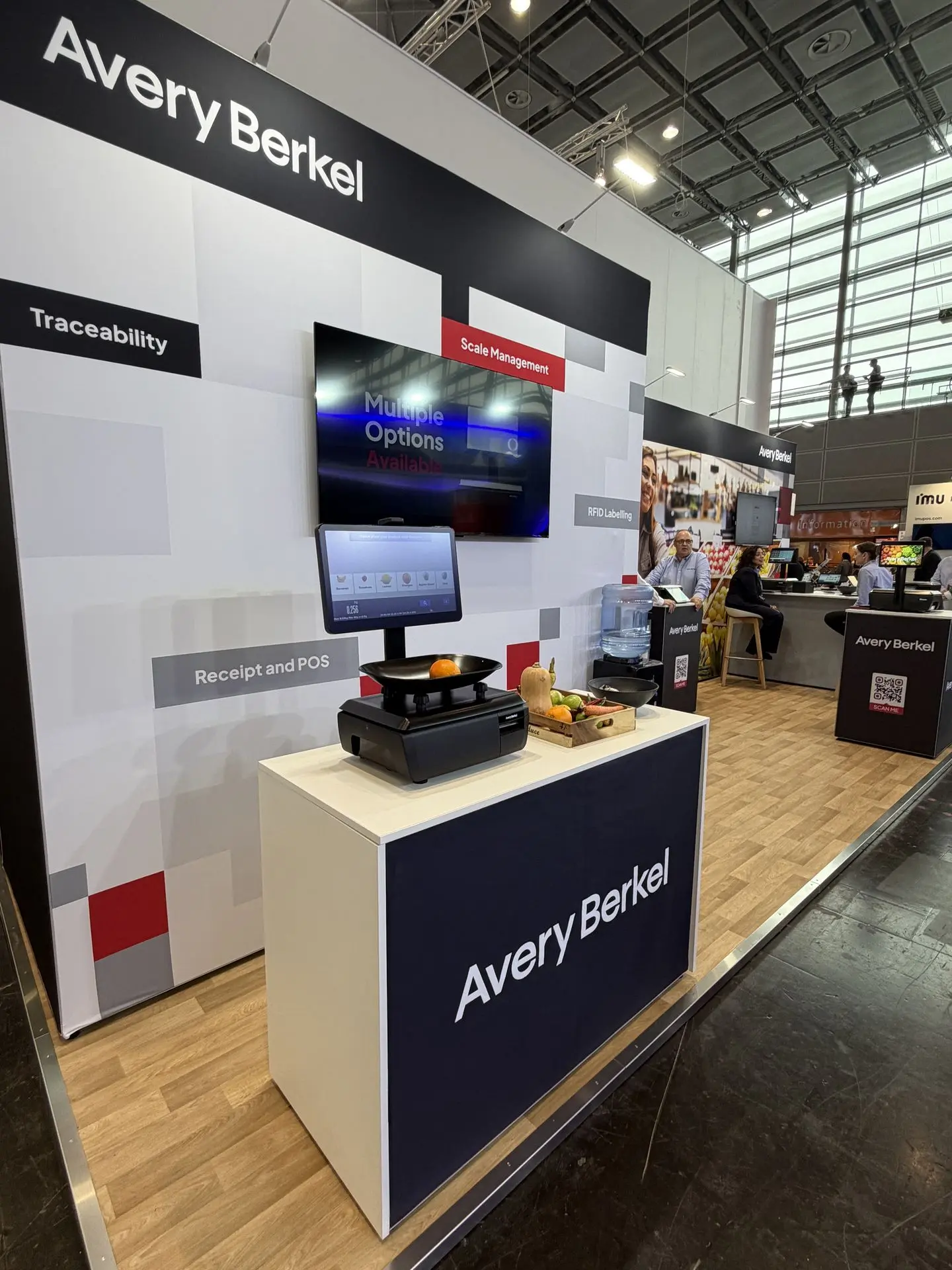
Weighing fresh products is one of the most critical stages of the shopping process on the sales floor, where even small inaccuracies can quickly lead to significant losses. With a wide assortment and visually similar products, it is not uncommon for the wrong item to be selected or an incorrect product code to be used. These mistakes are often caused by product similarity, rushed decisions, or a non-intuitive user interface.
Such errors do not affect only the individual transaction but also carry over into pricing and inventory management. As a result, data accuracy decreases, additional manual work is created at checkout, and the need for later corrections increases.
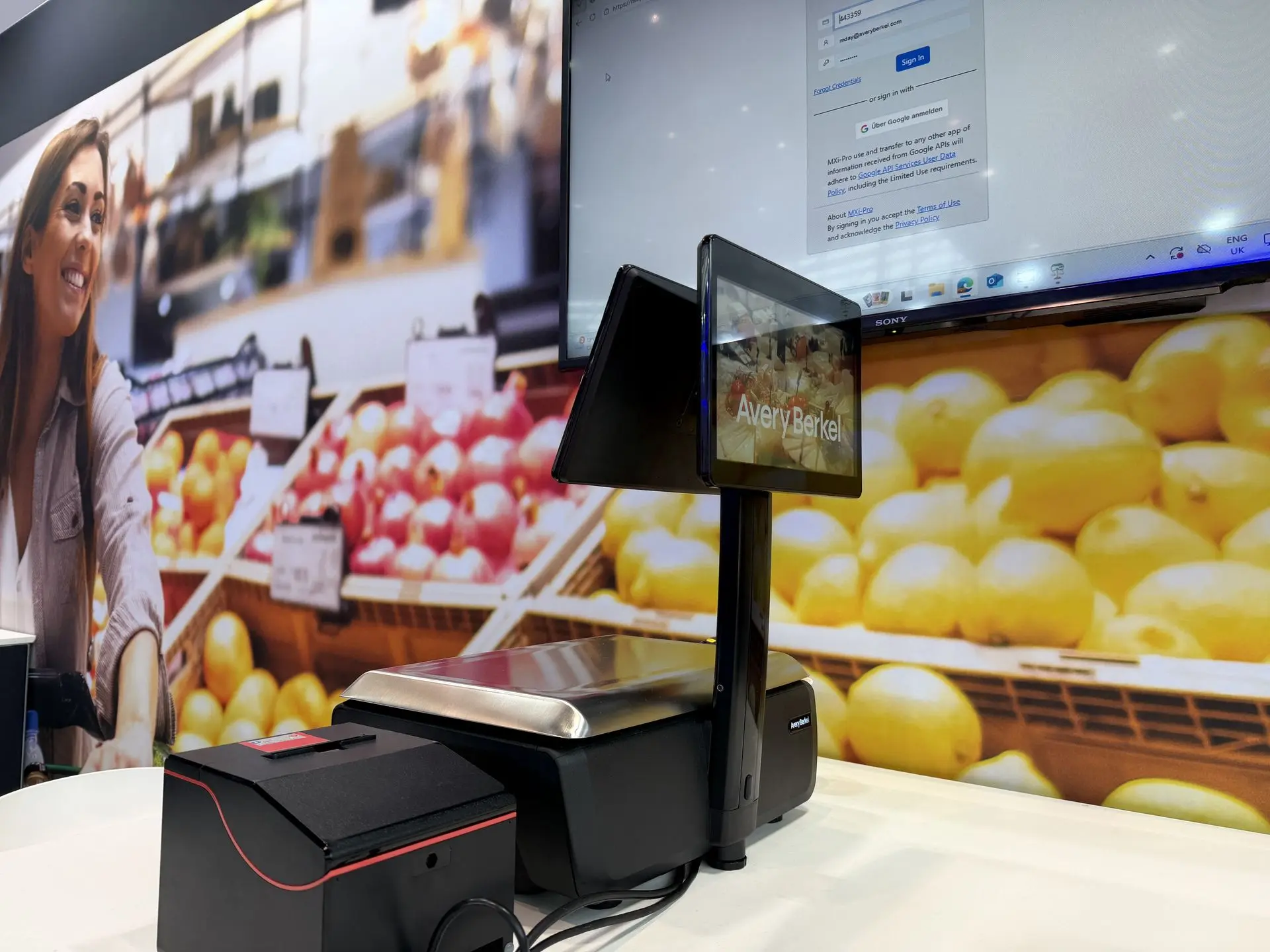
Therefore, in weighing solutions it is important not only to ensure measurement accuracy but also to provide clear and simple product identification. Avery Berkel’s modern self-service scales help better control this process by combining precise weighing technology, a user-friendly interface, and centralized management.
When camera-based product recognition is added to the scale, the system can analyze the visual characteristics of the item placed on it and automatically suggest the correct product to the customer. This reduces the likelihood of errors, especially with similar-looking products, and speeds up the weighing process without requiring the customer to search for the item manually.
In addition, cloud-based management enables product data, price lists, and label information to remain consistent across the entire store. This means that scales, the checkout system, and pricing information all use the same data, helping to avoid discrepancies and improve the overall accuracy of the shopping process.
The result is more accurate product recognition, fewer errors in pricing and inventory management, and smoother operations both on the sales floor and at checkout.
AI-Powered Self-Scanning Helps Ensure Basket Accuracy on the Sales Floor
Self-scanning solutions used on the sales floor, such as handheld scanners, allow customers to scan products as they shop and add them directly to their digital basket. This makes the shopping process faster and gives customers more control over their purchases, while also creating the need to ensure basket accuracy.
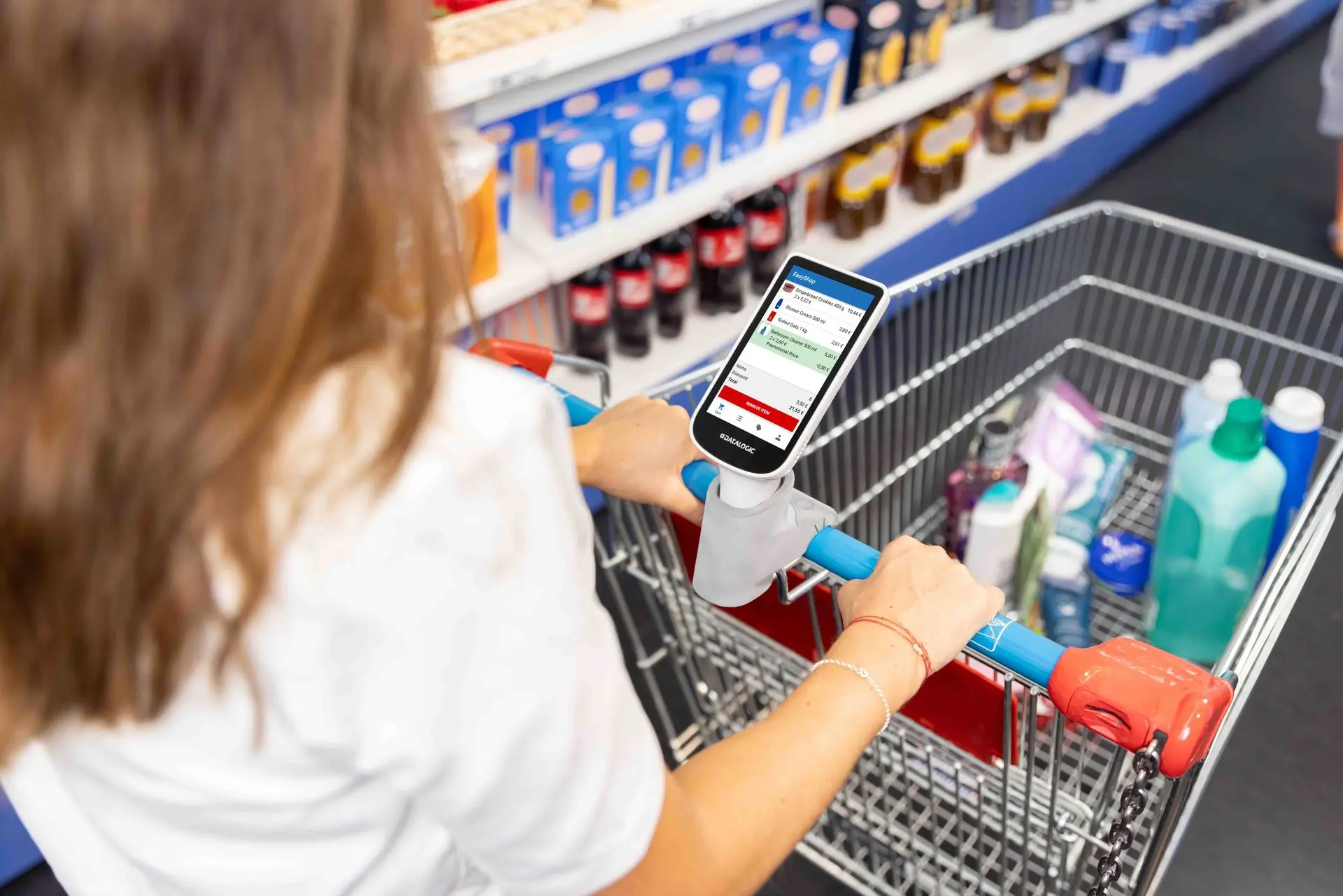
When customers scan products themselves, situations may arise where an item is unintentionally left unregistered or there is a discrepancy between the scanned products and the actual contents of the basket. Such deviations are usually not intentional but are caused by inattention, rushing, or interruptions during the shopping process. Nevertheless, they directly impact store performance and can reduce data accuracy.
Traditionally, such situations have been addressed through random checks at the checkout or on the sales floor. This means that some baskets are selected for inspection at random, which requires staff time and can slow down the shopping process for both the customer and the store. At the same time, this approach may not be sufficiently precise, as the checks are not targeted at specific risk areas.
Next-generation self-scanning solutions help manage this process more effectively. Datalogic’s Joya Smart handheld devices use the AI-based Shop Guard system, which analyzes the contents of the basket using camera-based computer vision. The system detects potential discrepancies and directs staff attention specifically to those baskets that require additional verification.
This approach makes the control process more precise and efficient. Staff no longer need to perform random checks on all purchases but can focus on cases where the system identifies a potential issue. This helps reduce both unintentional errors and losses, while maintaining a fast and seamless shopping experience for the customer.
In addition, self-scanning also has a broader impact on store operations. When part of the purchasing process takes place on the sales floor, the workload at checkout is reduced, giving staff more time to assist customers and monitor in-store activities. This approach improves control over basket accuracy, reduces the risk of errors and losses, and helps make overall store operations more efficient.

Background Systems Help Monitor the Checkout Process and Prevent Losses
The checkout process is the final stage of the in-store shopping journey, where the contents of the customer’s basket are registered in the checkout system. At this point, previous actions are turned into an actual transaction, and even small errors can lead to direct losses. If an item is not scanned or is registered incorrectly, it affects both store revenue and the accuracy of inventory and sales data.
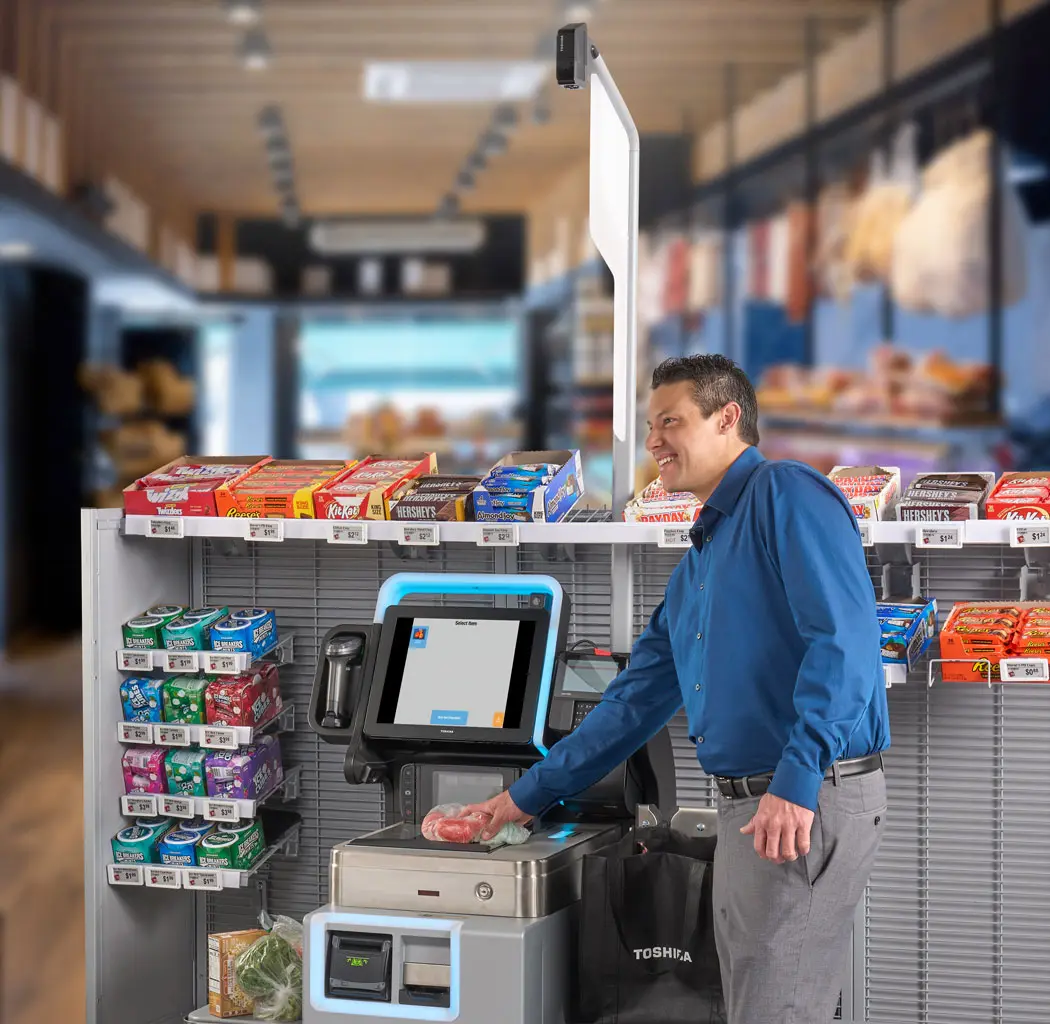
Such situations are usually not caused by intentional behavior. They are often the result of rushing, inattention, or simply the complexity of the checkout process. These errors can occur both at self-checkout, where customers scan items themselves, and at staffed checkouts, where the cashier must simultaneously monitor product scanning, items moving on the conveyor belt, and the overall flow of the transaction.
For this reason, solutions that enable automated monitoring of the checkout process are increasingly being adopted. Systems based on cameras, computer vision, and artificial intelligence can detect situations where an item is placed in a bag without being scanned, left at the bottom of the cart, or does not match the scanned product.
For example, the Toshiba ELERA® Loss Prevention solution uses cameras installed at the checkout along with computer vision to monitor the shopping process in real time. The system detects potential discrepancies and, when needed, sends an alert, allowing the situation to be resolved quickly.
It is important that such solutions do not make the checkout process slower or more complex. Modern systems operate largely in the background and intervene only when a situation requiring attention is detected. This allows errors to be resolved quickly and discreetly, maintaining a smooth shopping experience for the customer.
This approach helps reduce direct losses, improve data accuracy, and keep the checkout process under control without negatively impacting the shopping experience.
Video Surveillance and AI Help Prevent Losses Already on the Sales Floor
While accurate pricing, weighing, self-scanning, and the checkout process help ensure transaction accuracy, video surveillance and AI-based analytics make it possible to prevent losses already on the sales floor. This means that potential issues can be detected before they reach the checkout and turn into direct losses.
Traditional video surveillance has primarily been used as a tool for reviewing incidents after they occur. In most cases, recordings are only examined once a problem has already happened. This approach does not allow for preventing situations or influencing store operations in real time.
As a result, solutions capable of analyzing video in real time are increasingly being adopted. AI-based systems can detect movements and behavior patterns that may indicate product concealment or other risky behavior on the sales floor.
Luxriot Evo video management software enables centralized control of the store’s entire surveillance system and allows it to be integrated with other systems such as checkout systems, security solutions, and analytics. This provides a clearer view of what is happening on the sales floor and enables faster, more targeted responses to situations.
The capabilities of video surveillance are further enhanced by AI-based analytics. The Veesion AI solution analyzes camera footage and detects movements and behavior patterns that may indicate product concealment or other risky behavior. When such a situation is identified, staff receive an immediate alert along with a short video clip, enabling them to respond quickly.
This approach helps prevent losses already on the sales floor and gives staff the ability to intervene before items leave the store. At the same time, employees do not need to continuously monitor camera feeds, allowing them to focus on customer service and respond only when the system detects a need for attention.
Video surveillance and AI-based analytics are rapidly evolving in retail. In addition to detecting risky behavior, these solutions provide valuable insights into store operations, customer movement, and the overall performance of the sales floor.
Increasingly, this data-driven and proactive approach is becoming a natural part of loss prevention strategy, where different technologies work together to support both store security and an improved customer experience.
A Holistic Approach Creates a Clear Advantage in Loss Prevention
Loss prevention no longer means relying on isolated security measures, but rather a holistic approach where different technologies and processes support one another. Accurate pricing, reliable weighing, seamless self-scanning, a controlled checkout process, and video surveillance analyzing activity on the sales floor together create an environment where errors and discrepancies are better managed.
Implementing such an approach is not just a technical decision. It is important that the solutions fit seamlessly into store operations and can be scaled or expanded in the future if needed. In practice, companies often start with a specific area — such as pricing management, weighing, or the checkout process — and then progress step by step according to their needs.
Nixor helps retail businesses integrate and implement these solutions in a way that supports daily operations and long-term development. The team supports the entire process, from identifying needs and selecting solutions to system configuration, integration, and deployment.
Loss prevention in retail is becoming increasingly data-driven and proactive. Businesses that can apply this approach strategically gain better control over their operations and create a shopping environment where security, reliability, and customer experience support one another.
A well-thought-out approach helps keep losses under control and processes running smoothly.
Get in touch with us!